He competed in a single Formula One race in which he finished ninth. Starting with motorboats in the 1950s, he became part of the Formula 2 team of BMW which intended to take part in the 1969 German Grand Prix. Teammate Gerhard Mitter was killed at the Nürburgring while practising with the BMW 269, though. As a suspension or steering failure was suspected, the BMW team with Quester and Hubert Hahne withdrew from the race, as did Mitter's teammate at Porsche, Hans Herrmann. Quester participated in his home 1974 Austrian Grand Prix on 18 August 1974.
He out-qualified his three team mates at Surtees and finished 9th ahead of Hans-Joachim Stuck and double World Champion Graham Hill in the race, but scored no championship points. Quester then focused again on European Touring Car Championship to drive a BMW 3.0 CSL for Schnitzer Motorsport. Later racing in the DTM, he once slid on the roof of his BMW M3 over the start/finish line of the AVUS for a 3rd place. On 15 January 2006 he won the 24 Hours race at the Dubai Autodrome on a BMW M3 together with Hans-Joachim Stuck, Philipp Peter and Toto Wolff. Stuck and Quester returned in the 24 Hours Nürburgring, but their BMW was destroyed in a crash at night that involved an oil spill and seven cars. In September 2007 he and Duller won the 24 Hours of Silverstone in the Duller BMW Z4 , by a margin of 30 laps.

Quester took part in his final race at the HSR Classic Daytona in November 2018 at the age of 79. The racing drivers who participate in the Formula one races, also known as F1 races are called F1 drivers. F1, officially referred to as the FIA Formula One World Championship, is a single seat auto racing governed by the Federation Internationale de l'Automobile . The 'formula' refers to a set of rules that must be followed by all the participants. F1 drivers participate in a series of races called the Grands Prix that are held all over the world on public roads or race circuits built specifically for this purpose. The F1 races constitute the highest class of auto racing and the F1 cars race at speeds of up to 350 km/h.

These cars are the fastest multi-turn circuit-racing cars in the world. Drivers with several years of experience in other competitive racing events and the highest level of driving skills are the ones who ultimately get selected for F1 championships. F1 drivers also need to be risk-takers as the risk of automobile malfunction or accidents is ever present.
This section provides you information about the life and works of various famous F1 drivers from all over the world. On May 1, 1994, in the San Marino Grand Prix, Senna again placed the car on pole for the 65th and final time, but he was particularly upset by two events. On Friday, during the afternoon qualifying session, Senna's protégé, then F1 newcomer Rubens Barrichello was involved in a serious accident that prevented him from competing in the race. The next day Austrian driver Roland Ratzenberger was killed in qualifying. As the most senior driver, he offered to take the role of leader in this effort. Senna and the other drivers all opted to start the Grand Prix, but the race was interrupted by a huge accident at the start line.

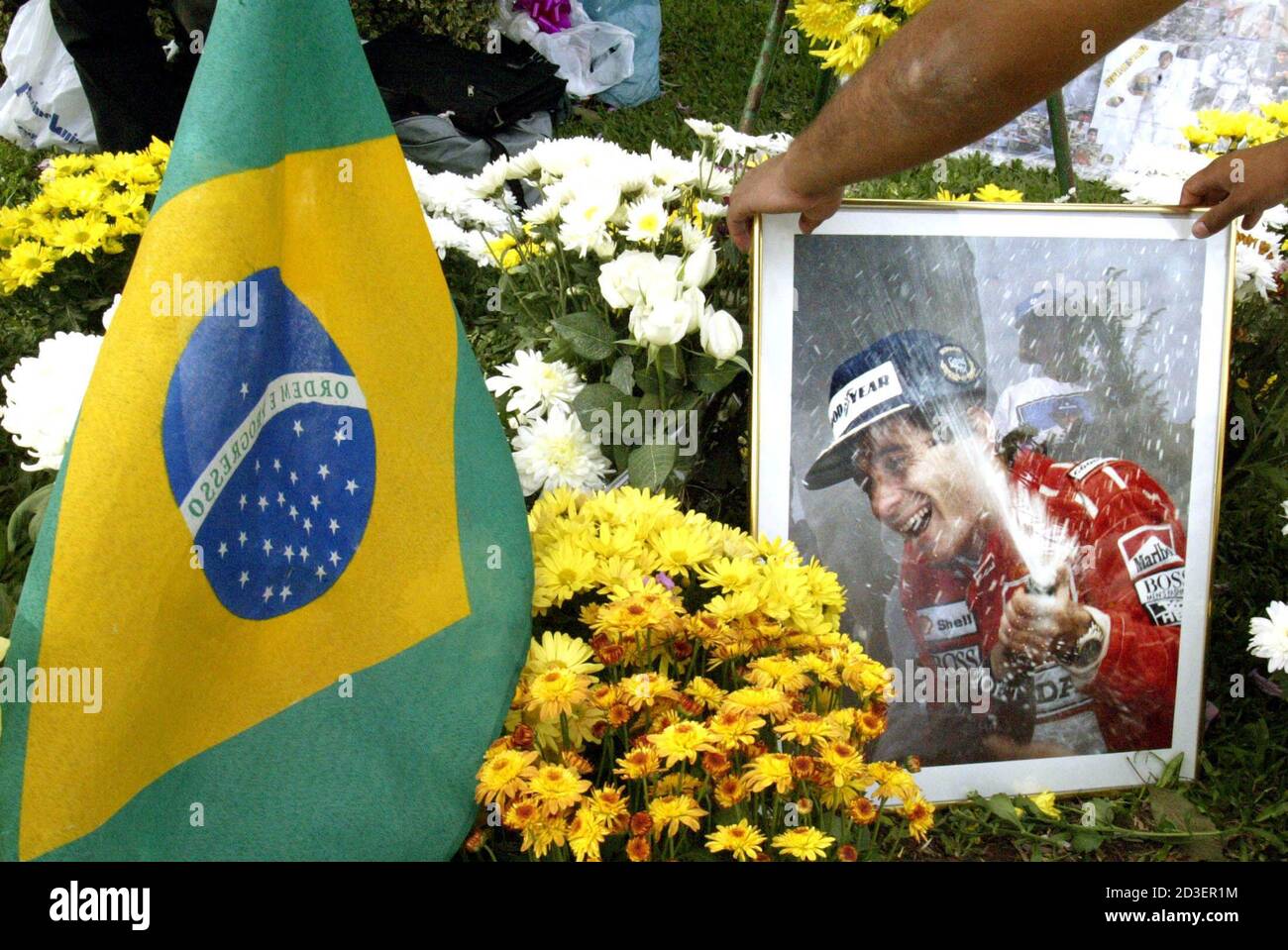
Formula 1 Driver Who Died In 1994 A safety car was deployed and the drivers followed it for several laps. On the restart Senna immediately set a quick pace with the third quickest lap of the race, followed by Michael Schumacher. As Senna entered the high-speed Tamburello corner on the next lap, the car left the track at high speed, hitting the concrete retaining wall at around 217 km/h.

Widely considered one of the greatest F1 drivers of all time, Niki Lauda was a 3-time World Champion who made one of the most inspirational comebacks from injury that the sporting world has ever seen. Lauda, who died at the age of 70 in 2019, entered Formula 1 with March in 1971 but didn't reach his full potential until switching to Ferrari in 1974. After winning two races during his debut season with the Scuderia, Lauda swept to his maiden World Championship in 1975.

Another championship beckoned in 1976 before Lauda was seriously injured in a fiery crash at the Nürburgring, which saw him sustain severe burns. Against the advice of medical experts, Lauda returned to the cockpit just 6 weeks later for the Italian Grand Prix, having missed only two races. As portrayed in the hit film Rush, Lauda ultimately lost the 1976 drivers' title to James Hunt by just one point, but he returned stronger the next season to secure his second World Championship.

Two disappointing seasons with Brabham followed, before Lauda took a break from the cockpit for two years. He returned with McLaren for four more seasons, winning a third World Championship in 1984. After retiring from F1, Lauda assumed a number of management roles in the sport, notably as Team Principal of the Jaguar team in the early 2000s. In later years, Lauda was appointed non-executive chairman at Mercedes, helping sign Lewis Hamilton to the team that would become unbeatable in the turbo-hybrid era. Away from the cockpit, Lauda forged a successful career in commercial aviation.
Two laps after the safety car was withdrawn, leading Ayrton Senna's car entered the Tamburello corner at a very high speed. Since the tyre pressure was low, Senna's car touched the ground & lost traction. The car left the track at 310km/h & hit the wall approximately at 218km/h. 37 minutes after the crash the race was restarted & Michael Schumacher won the race ahead of Nicola Larini and Mika Hakkinen, also it was his third consecutive win the season. Today, 25 years after the fatal crash of one of the most talented, personable, and loved Formula 1 drivers in history, a report by the Independent reminds us of the series of minuscule events that ultimately led to Senna's death.

Furthermore, accounts shared by Berger depict a smiling Senna on the grid of what would be his final F1 start. This last bit comes as a surprise to someone who has read all the books, examined all the reports, and glossed over every bit of Senna history throughout the years. Those who had contact with Senna the morning of May 1 have always claimed that the three-time world champion appeared uneasy, upset, and that he made it clear he didn't want to race. Nevertheless, now it appears that Senna, perhaps, found some inner peace before firing up his engine one last time. He competed in Formula One for 14 seasons, twice finishing 3rd overall in the championship , both times driving for Ferrari. He won ten Grand Prix, achieved 48 podiums, 12 poles and 21 fastest laps.
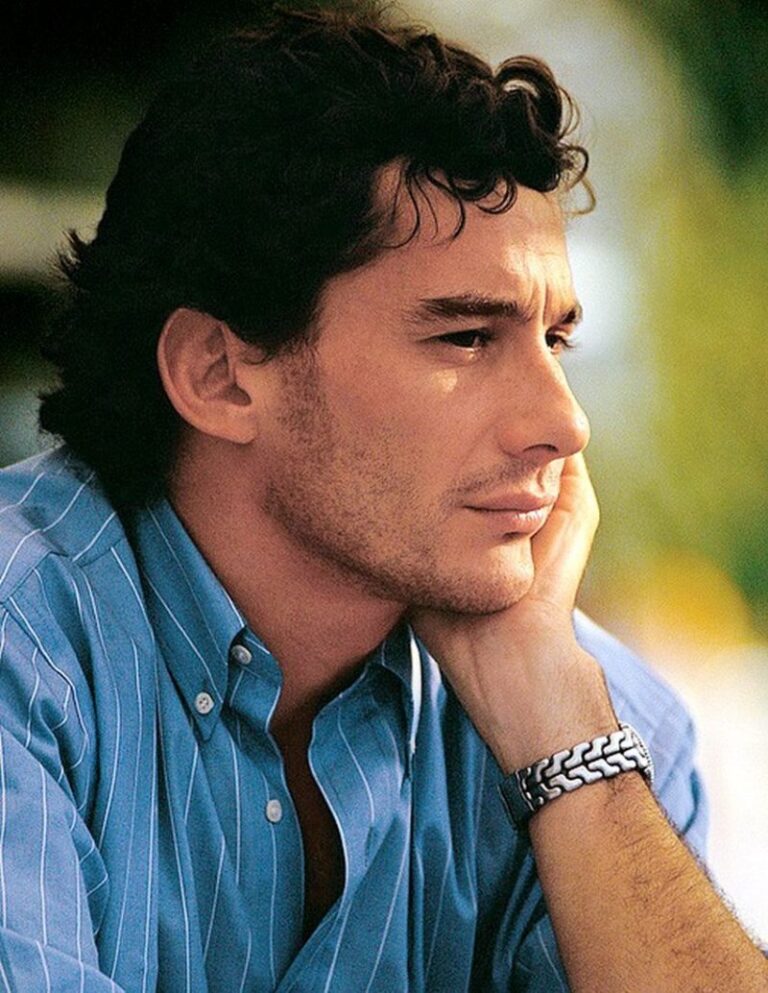
With 210 starts he is amongst the most experienced Formula One drivers of all time. He led 33 of the 210 races he competed in and retired from 95 of them. His first and last victories were also the first and last victories for the Benetton team, with eleven years separating them. When at McLaren, Berger drove alongside Ayrton Senna, contributing to the team's 1990 and 1991 constructors' titles.

Between 2006 and 2008 Berger owned 50% of the Scuderia Toro Rosso Formula One team. In 2008 Red Bull became the 100% owner of Toro Rosso having bought back the 50% stake it sold to Berger two years before. Widely considered one of the greatest F1 drivers of all time, Ayrton had won the prestigiousF1 World Drivers' Championship thrice. Following his fatal accident in 1994, several safety improvements were introduced to the sports' set-up; higher crash safety standards, redesigned tracks, and improved crash barriers became part of the sport.

It was just so on the Friday of San Marino Grand Prix weekend when sophomore driver Rubens Barrichello launched his Jordan Grand Prix car off a curb and flew airborne, horrifyingly, into a tire barrier. He was OK, somehow, but the next day Austrian rookie Roland Ratzenberger died instantly when his Simtek-Ford suffered a front-wing failure, pitching him hard into a concrete wall during qualifying. Three-time world champion Ayrton Senna, who had never before been present at a race where someone died, was distraught. Ayrton Senna is wildly regarded as one of the greatest racing drivers of all time. Senna has 3 world titles and 41 race wins to his name, but it is the events at the San Marino Grand Prix that the younger generation best know Senna for. This tragic weekend saw Senna suffer a fatal accident, and questions from that crash still remain today.

Below I take a look at what exactly happened on that fateful day, and the mystery of the events on 1 May 1994. Although he was born in Germany, Jochen Rindt represented his adopted home of Austria in a successful racing career that was tragically cut short at the peak of his powers. Just four years after getting behind the wheel, Rindt secured a full-time Formula 1 drive with Cooper in 1965. His first three years in the top echelon yielded mixed results, though he did score three podiums and finish third in the 1966 drivers' standings.
After a disappointing season with Brabham in 1968 saw him retire on ten occasions, Rindt's career rebounded with a move to Lotus in 1969, where he scored his maiden F1 victory at Watkins Glen. With the revolutionary Lotus 72 at his disposal the following year, Rindt was unstoppable. The Austrian won five races out of nine before he was killed in a crash during practice for the 1970 Italian Grand Prix at Monza, becoming Formula 1's only posthumous World Champion. From the first days of motor racing, drivers have lived close to the edge. Thanks to marked improvements in safety standards, the number seriously injured and killed competing in the sport has significantly reduced.

The last death of a driver in an F1 car was Ayrton Senna in 1994, but in the early years the toll was alarming. Here is a list of all those who have died racing in Formula One, not including officials and spectators. Between 1950 and 1961 the Indianapolis 500 was considered part of the Formula One championship, even though few European drivers made the trip over to America to compete. Ratzenberger was 33 years old when was killed during qualifying for the San Marino Grand Prix at the Imola circuit on Saturday 30 April 1994.
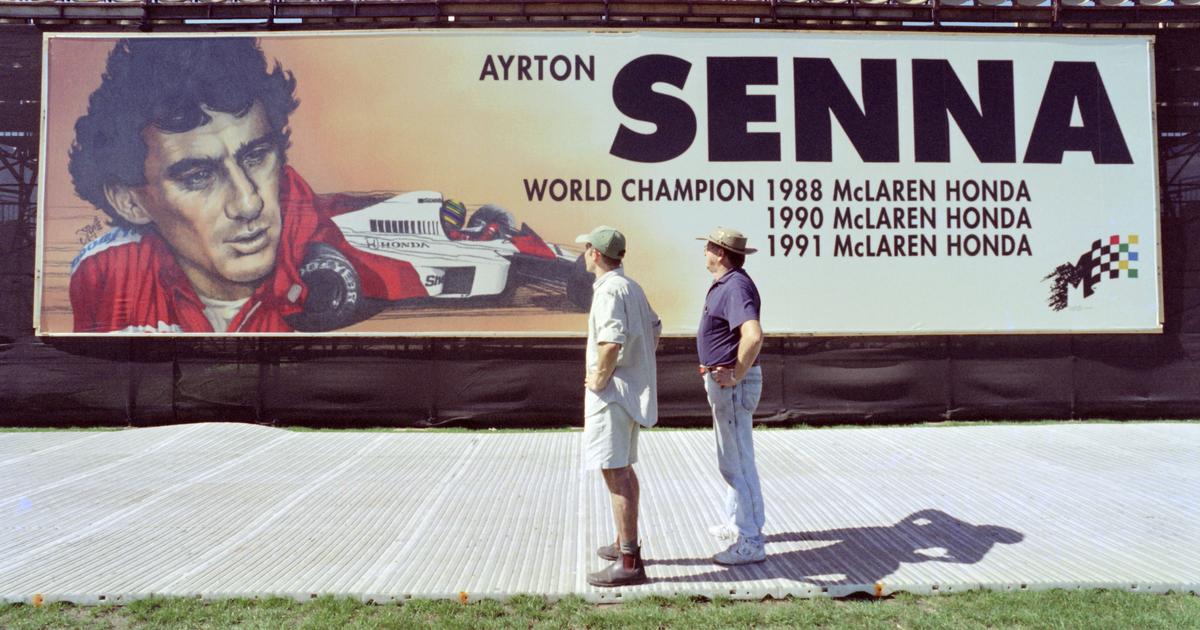
He went off-track on the previous lap, damaging his front wing, but rather than come into the pits he continued since he was competing for the final grid spot. Subsequently, the high speed on the backstraight, and therefore high downforce pressure on the front wing, finally broke the wing off, sending it under Ratzenberger's car. He lost the steering capabilities and his car failed to turn into the Villeneuve Corner and struck the outside wall at 314.9 km/h.

After the car carried on down the track, spinning around and stopping at the next corner, Ratzenberger's lolling head was revealed. For Ratzenberger, a 33-year old Austrian, the race at Imola was only the third grand prix of his career, having spent a decade slowly climbing the ladder from Formula Ford to F1. Senna, in contrast, was in his 11th F1 season, already a three-time world champion and universally regarded as one of the greatest racing drivers ever. Ayrton Senna da Silva impacted Tamburello corner while piloting his Williams-Renault FW16 Formula 1 race car at over 185 miles per hour on Sunday, May 1, 1994, during the San Marino Grand Prix. The moments that followed the crash will undoubtedly be remembered as some of the saddest, and perhaps the most controversial happenings in the history of motorsport. Had Senna listened to his friends, family, or even F1 doctor Professor Sid Watkins, he wouldn't have raced on that ill-fated Sunday at the Autodromo Enzo e Dino Ferrari.

Had Senna not requested last-minute changes be made to the steering wheel position, which prompted adjustments to the steering column, he would've most likely walked away from that crash. And according to a recent interview with his former McLaren teammate Gerhard Berger, had Senna and Berger looked deeper into repositioning Tamburello years prior to his crash, the feisty Brazilian would most likely be alive today. His death shocked the whole Formula 1 community – coming just 24 hours after the intervention of Professor Sid Watkins saved Rubens Barrichello from swallowing his tongue, so saving his life, post accident. After Roland's fatal crash, pit lane crews were described as 'being a white as sheets' with everyone being very emotional. Williams mechanics were hugging Jordan mechanics, as the F1 world absorbed the first on track driver death for 12 years, the first since Riccardo Paletti at Montreal in 1982. The Simtek team ran the rest of the season with 'For Roland' on the air box.

Eddie Irvine took his '94 SARD Le Mans seat and drove with Roland's name on the car out of respect. Austrian Formula 1 racing legend Andreas Niklaus Lauda passed away earlier this week. His comeback from his fiery accident at the old Nurburgring is one of the most remarkable stories in sports, to race just six weeks after almost losing your life is a great subject for a movie and it was made into one. Lauda was not a flamboyant playboy in the mould of many of the British racers of that era, but he was good.

So good that he made another comeback in the 1980s when he drove a McLaren to his third World title after winning two with Ferrari. Ratzenberger's neck was broken on the impact and he succumbed to his injuries en route to the hospital. Looking at the basic mechanics of a Formula One race, it may not initially seem like a dangerous sport. The drivers, who are professionals behind the wheel, are decked out in safety gear and regulated helmets and are well-versed on the inner workings of their vehicle and the subtle nuances of the circuits.

The reality of it, however, is that F1 racing is quite a dangerous sport, especially considering that some circuits allow drivers to reach top speeds of around 300 mph. One wrong move, one miscalculated turn, one unavoidable accident – they're all it can take to abruptly end one's racing career. Roland Ratzenberger ([??o?lant ??a?n?b????]; 4 July 1960 – 30 April 1994) was an Austrian racing driver who raced in sports prototype, British Formula 3000, Japanese Formula 3000 and Formula One. He died during qualifying for the 1994 San Marino Grand Prix, the same event at which three-time World Champion Ayrton Senna died the following day. Twenty-four hours later, Senna died when his car failed to negotiate a sharp corner and slammed into a concrete wall at around 135mph. As officials examined the wreckage they found a furled Austrian flag which, had he won, Senna would have raise in honour of Ratzenberger.

A mass collision on the first bend of the race at Monza left Peterson with severe leg injuries, although when he was pulled from his blazing car by three other drivers it seemed his injuries were serious but not life-threatening. But as Peterson lay on the tarmac, track officials hampered attempts to get an ambulance to him and it was a quarter of an hour before medical aid arrived. There was more concern for Vittorio Brambilla, who had head injuries, and he was the first to be treated, and fortunately he made a full recovery. At the hospital surgeons, with Peterson's agreement, operated that night to stabilise ten fractures in his legs. However, during the night bone marrow went into his bloodstream through the fractures leading to him suffering full renal failure.

The only man to win the drivers' championship posthumously, Rindt died during final practice at Monza when his car crashed into perimeter fencing and disintegrated. He had only just started wearing a seat belt and it is believed that as he slid down inside the cockpit it cut his throat. The crash was in exactly the same place that von Trips had died nine years earlier. In 1989 he entered the British Formula 3000 series, finishing third overall. He won one race each in 1990 and 1991 in the Japanese Sports Prototype Championship with the same SARD team he drove for at Le Mans.
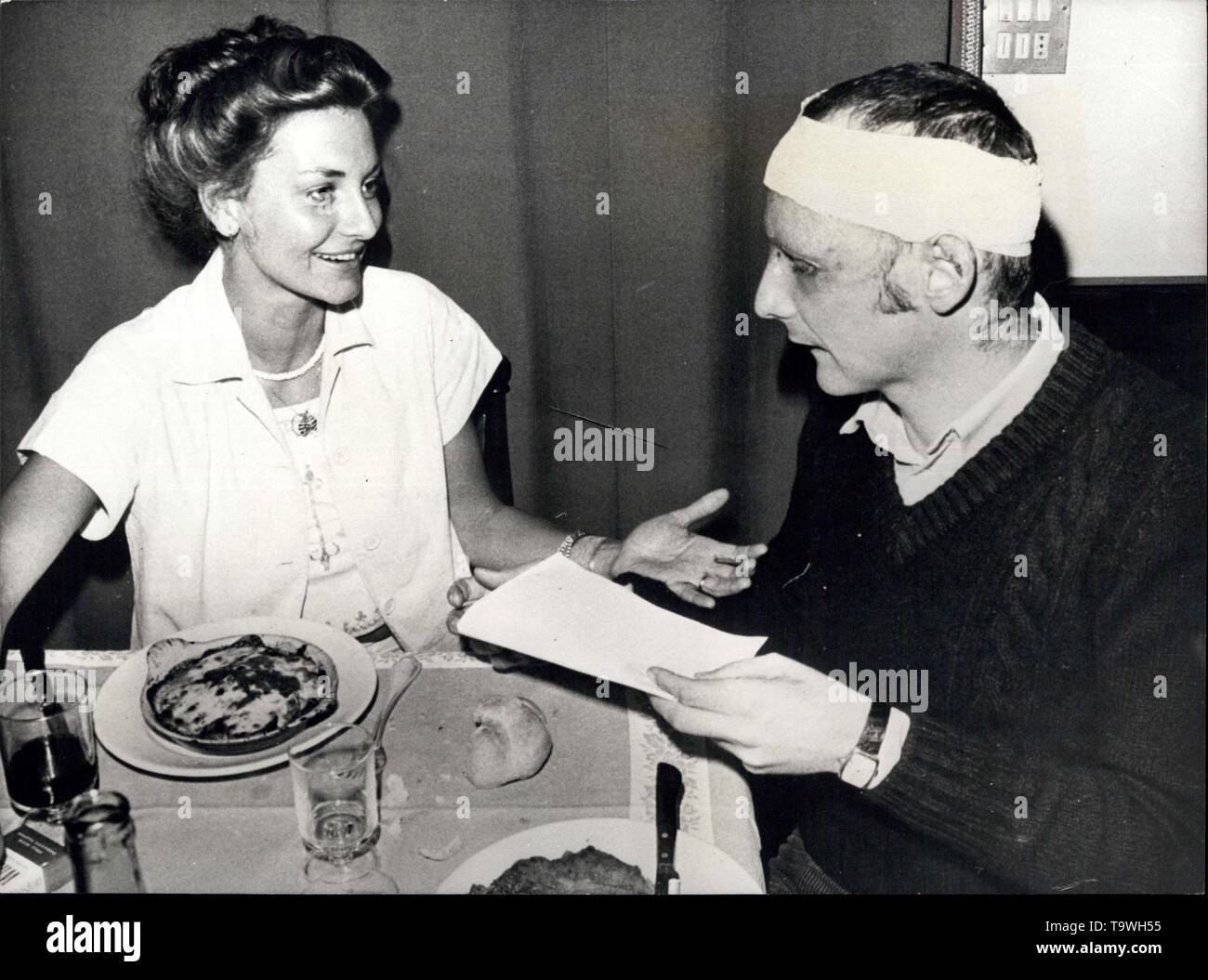
He also returned to touring car racing in the Japanese Touring Car Championship, finishing seventh in 1990 and 1991 in a BMW M3. In 1994 he finally achieved his ambition of becoming a Formula One driver, signing a five-race deal with the new Simtek team run by Nick Wirth. His campaign got off to a poor start at the Brazilian Grand Prix in Interlagos where he failed to qualify.

But he got onto the grid for the next round at the TI Circuit in Aida, Japan, as his experience of the track from his touring car days meant he was the only driver in the race who had driven at the venue before. After the impact with a concrete barrier, the car bounced off and rested in the middle of that section of the track. Senna saw the replays of the collision and rushed into the pitlane to get inside a course car. When he arrived, with Ratzenberger taken into an ambulance, Senna inspected the damaged Simtek.
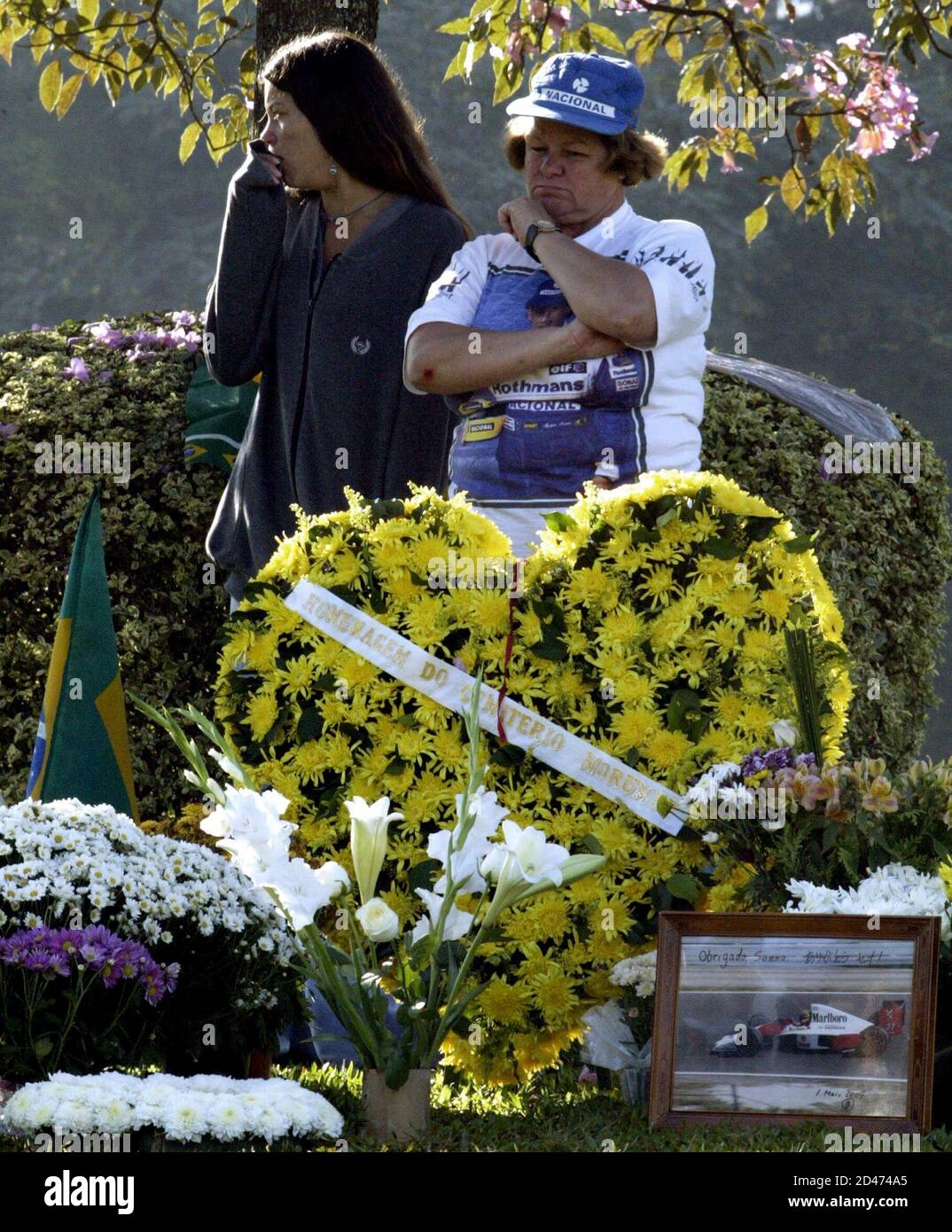
He then attended the circuit's Medical Centre where he learnt from neurosurgeon Sid Watkins that Ratzenberger had died. When the two left the centre together, Watkins told Senna that he did not have to race ever again and suggested that he withdraw from the race and go fishing with him. There has hardly ever been a Formula One driver so revered as Aryton Senna. The Brazilian won 41 Grand Prix races, held 65 pole positions, and won three driver's championships.

At the third race of the 1994 season, he crashed his Williams-sponsored car on the racetrack at Imola in San Marino. Lauda's accident, something he barely survived back in 1976, ultimately claimed him. Its after-effects played a role in his death as the flames and even the fire extinguisher fumes seared the inside of his lungs, causing permanent damage. Ironically, it happened despite the fact that the Austrian had led other drivers in protesting the unsafe conditions of the race.

When Niki Lauda was racing at his prime, at least three-four Formula 1 drivers died every year and drivers, fan and even administrators took that to be a fact of life. Of course, the move towards safety had begun in the 1960s with drivers like Jackie Stewart, but Lauda supercharged that movement. He went on to become one of Formula One's most anticipated champions. Unfortunately, while chasing Tony Brooks, the British racing driver crashed during the 1958 German Gran Prix at the Nürburgring. When navigating a turn, he went ahead too quickly, lost control and his car somersaulted. Ayrton Senna, a Brazilian racing driver who had won three World Driver's Championships in his eleven year Formula 1 racing career.


